Table of Contents
ToggleEducation today strategies look different than they did a decade ago. Classrooms have evolved. Students learn through screens, collaborate across time zones, and build skills their parents never needed. Teachers adapt faster than ever before.
This shift isn’t random. It responds to real changes in how people work, communicate, and solve problems. The strategies that succeed in modern education share common traits: they’re flexible, student-focused, and grounded in practical outcomes.
This article breaks down the most effective education today strategies. It covers the forces driving change, the role of technology, student-centered methods, and the skills students need for tomorrow’s workforce.
Key Takeaways
- Education today strategies prioritize flexibility, student-centered approaches, and practical outcomes over traditional memorization-based learning.
- Blended learning models that combine online instruction with face-to-face teaching have shown a 20% improvement in student outcomes compared to traditional methods.
- Technology like adaptive learning platforms, gamification, and VR/AR enhances engagement but works best when guided by intentional design and teacher facilitation.
- Student-centered approaches such as project-based learning, personalized learning paths, and social-emotional learning build deeper engagement and essential life skills.
- Future-ready education must develop critical thinking, digital literacy, collaboration, and adaptability—skills that remain valuable regardless of technological change.
- Teachers are shifting from lecturers to facilitators who guide students through abundant information rather than serving as the sole source of knowledge.
Understanding the Shift in Modern Education
Modern education looks nothing like the factory-model schooling of the 20th century. Rows of desks, lectures, and standardized tests still exist, but they no longer define the experience.
Several forces drive this shift. First, the job market demands new competencies. Employers want critical thinkers, collaborators, and problem-solvers. Memorizing facts matters less when anyone can Google an answer in seconds.
Second, research on learning has advanced. Educators now understand that students retain more when they engage actively with material. Passive listening produces poor results. Active participation produces lasting knowledge.
Third, access to information has exploded. Students can watch lectures from MIT professors, read research papers, and connect with experts worldwide. This changes the teacher’s role. Instead of being the sole source of knowledge, teachers become guides who help students make sense of abundant information.
Education today strategies reflect these realities. They prioritize depth over breadth. They value application over memorization. They prepare students for uncertainty rather than fixed career paths.
The COVID-19 pandemic accelerated many of these changes. Schools that resisted technology adoption had no choice but to adapt. Remote learning forced educators to rethink engagement, assessment, and communication. Some innovations stuck. Hybrid models, digital tools, and flexible scheduling became permanent fixtures in many schools.
Technology-Driven Learning Strategies
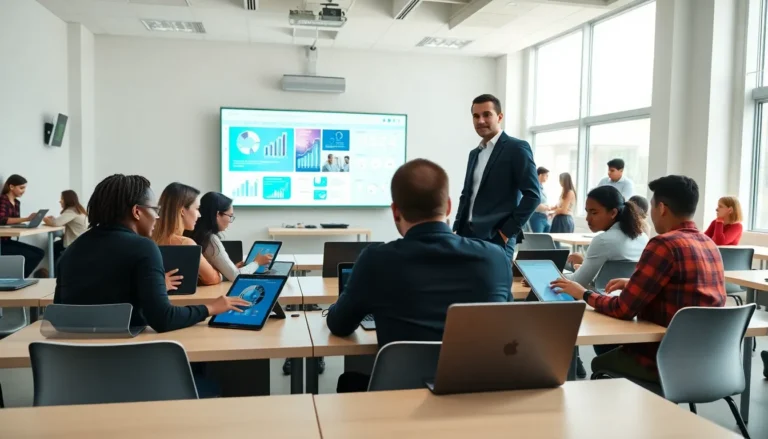
Technology sits at the center of education today strategies. But effective tech integration goes beyond handing students laptops. It requires intention and design.
Blended Learning Models
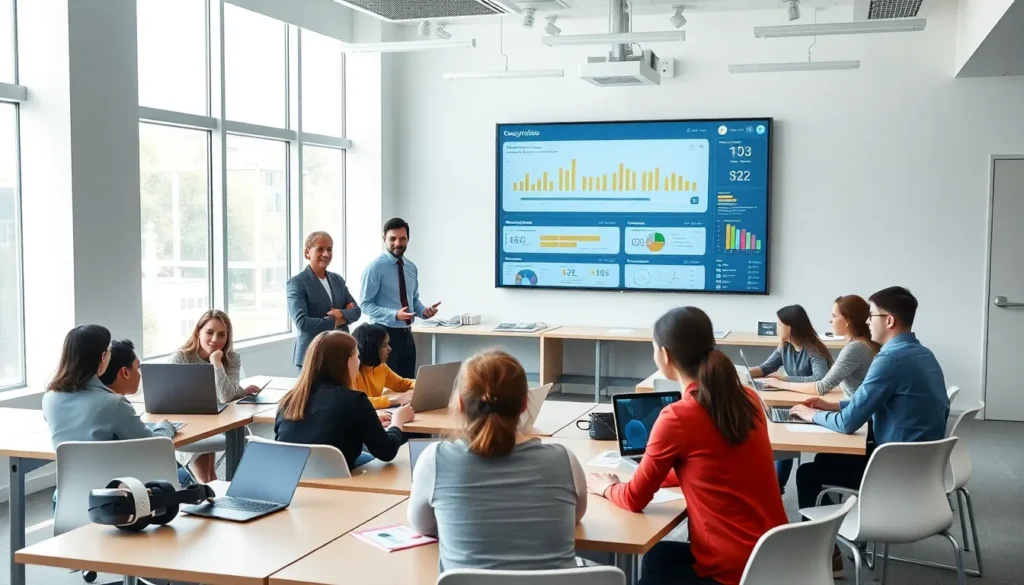
Blended learning combines online instruction with face-to-face teaching. Students might watch video lessons at home, then use class time for discussion, projects, or one-on-one help. This approach, sometimes called flipped learning, maximizes valuable in-person time.
Research supports this model. A 2023 study from the Learning Policy Institute found that well-implemented blended learning improved student outcomes by 20% compared to traditional instruction alone.
Adaptive Learning Platforms
Adaptive software adjusts content based on student performance. If a student struggles with fractions, the system provides more practice and simpler explanations. If a student masters a concept quickly, the system moves on.
These platforms give teachers real-time data on student progress. Teachers can identify struggling students early and intervene before small gaps become large ones.
Gamification and Engagement
Game elements, points, badges, leaderboards, can boost motivation. Platforms like Kahoot, Quizizz, and Classcraft turn review sessions into competitions. Students often engage more with gamified content than traditional worksheets.
But gamification works best as a supplement, not a replacement. The goal is learning, not just entertainment.
Virtual and Augmented Reality
VR and AR bring abstract concepts to life. Students can explore ancient Rome, dissect a virtual frog, or manipulate 3D molecules. These immersive experiences create memorable learning moments.
Cost and access remain barriers. But, prices continue to drop, and many schools have begun pilot programs.
Student-Centered Teaching Approaches
The best education today strategies put students at the center. Teachers still matter, but their role shifts from lecturer to facilitator.
Project-Based Learning
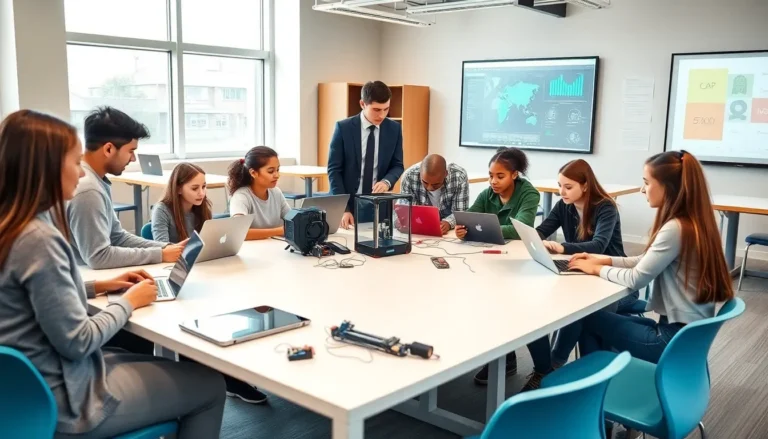
Project-based learning (PBL) asks students to tackle real-world problems over extended periods. Instead of reading about environmental science, students might design a recycling program for their school. Instead of memorizing history dates, they might create a documentary about local civil rights history.
PBL builds multiple skills simultaneously: research, collaboration, time management, and presentation. Students often report higher engagement with projects than with traditional assignments.
Personalized Learning Paths
Not all students learn the same way or at the same pace. Personalized learning acknowledges this reality. Teachers work with students to set individual goals and choose activities that match their interests and skill levels.
Technology enables personalization at scale. But the human element remains essential. Teachers provide mentorship, encouragement, and accountability that software cannot replicate.
Social-Emotional Learning Integration
Education today strategies recognize that academic skills aren’t enough. Students also need emotional intelligence, self-awareness, and relationship skills.
Social-emotional learning (SEL) programs teach these competencies explicitly. Students practice managing stress, resolving conflicts, and setting goals. Schools with strong SEL programs report better attendance, fewer disciplinary issues, and improved academic performance.
Inquiry-Based Instruction
Inquiry-based instruction starts with questions, not answers. Teachers pose problems and guide students toward discovery. This approach builds curiosity and critical thinking.
For example, instead of telling students that plants need sunlight, a teacher might ask: “What do plants need to grow?” Students then design experiments, collect data, and draw conclusions themselves.
Building Essential Skills for the Future
Education today strategies must prepare students for jobs that don’t yet exist. That sounds impossible, but certain skills remain valuable regardless of technological change.
Critical Thinking and Problem-Solving
Automation handles routine tasks. Human workers add value through judgment, creativity, and complex problem-solving. Schools must teach students to analyze information, evaluate sources, and construct arguments.
This means fewer worksheets with single correct answers. It means more open-ended problems, debates, and case studies.
Digital Literacy
Students use technology constantly, but using it well requires instruction. Digital literacy includes evaluating online sources, protecting personal data, communicating professionally, and using productivity tools effectively.
Schools should teach digital citizenship alongside digital skills. Students need to understand the ethical dimensions of technology use.
Collaboration and Communication
Remote work and global teams make collaboration skills essential. Students need practice working with others, including people with different backgrounds and perspectives.
Communication matters too. Students should practice writing clearly, presenting confidently, and listening actively.
Adaptability and Resilience
The pace of change continues to accelerate. Students who can adapt, learn new skills, and bounce back from setbacks will thrive. Education today strategies should create opportunities for productive struggle, challenges that stretch students without overwhelming them.
Growth mindset research suggests that praising effort over innate ability helps students develop resilience. Teachers can model adaptability by trying new approaches and discussing failures openly.