Table of Contents
ToggleEducation today examples show a dramatic shift from traditional lecture-based instruction to dynamic, student-centered learning. Classrooms in 2025 look different than they did even five years ago. Teachers use technology, real-world projects, and emotional intelligence programs to prepare students for an unpredictable future.
This article explores how modern education works in practice. From AI-powered tutoring systems to hands-on maker spaces, schools across the United States and around the world are rethinking what learning looks like. These education today examples reveal patterns that parents, educators, and policymakers should understand.
Key Takeaways
- Education today examples demonstrate a major shift from traditional lectures to technology-driven, student-centered learning environments.
- 94% of U.S. public schools now offer one-to-one device programs, making digital tools standard in modern classrooms.
- Personalized learning approaches, including competency-based progression and data-informed instruction, help students gain an additional three months of learning in math.
- Project-based learning and maker spaces allow students to solve real-world problems while developing critical thinking and hands-on skills.
- Social-emotional learning programs and mindfulness practices are now integrated into schools to support student mental health and reduce anxiety.
- Education today examples show that holistic development—combining academics with emotional intelligence and character education—better prepares students for the future.
Technology-Driven Learning in Today’s Schools
Technology has become central to education today examples across grade levels. Schools now integrate digital tools that would have seemed futuristic a decade ago.
Interactive Learning Platforms
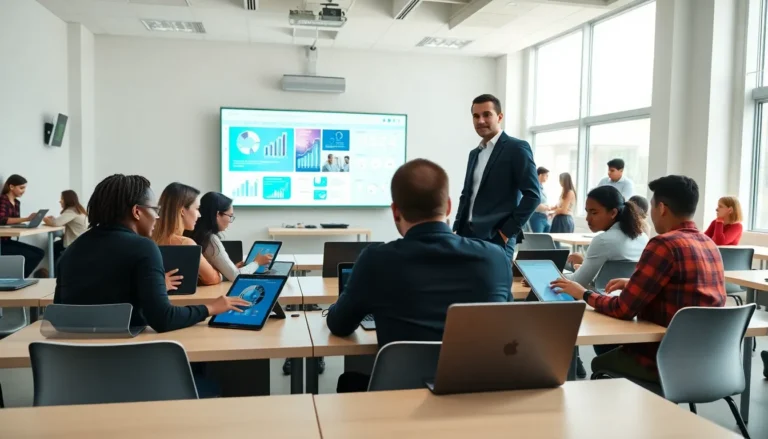
Platforms like Google Classroom, Canvas, and Schoology let teachers assign work, track progress, and communicate with students in one place. Students access materials from any device with internet. This flexibility supports different learning speeds and schedules.
Virtual and Augmented Reality
Some schools use VR headsets to take students on virtual field trips. A biology class might explore the human circulatory system from inside a blood vessel. History students can walk through ancient Rome. These immersive experiences make abstract concepts concrete and memorable.
AI-Powered Tutoring
Artificial intelligence tools now provide personalized feedback on student work. Programs like Khan Academy’s Khanmigo or Duolingo Max adapt to individual skill levels. They identify knowledge gaps and offer targeted practice. Teachers use the data these tools generate to adjust their instruction.
Coding and Digital Literacy
Education today examples frequently include programming courses starting in elementary school. Students learn computational thinking alongside reading and math. Tools like Scratch introduce coding concepts through visual blocks. Older students progress to Python, JavaScript, and data analysis.
A 2024 survey by the National Center for Education Statistics found that 94% of U.S. public schools now provide one-to-one device programs. This represents a significant increase from 66% in 2019. Technology access has become standard rather than exceptional.
Personalized and Adaptive Education Approaches
Modern education today examples emphasize meeting students where they are. One-size-fits-all instruction has given way to differentiated learning paths.
Competency-Based Progression
Some schools have abandoned traditional grade levels entirely. Students advance when they demonstrate mastery of specific skills. A student might work at a seventh-grade level in math while studying ninth-grade literature. This approach reduces boredom for advanced learners and prevents struggling students from falling further behind.
Learning Profiles and Preferences
Teachers increasingly assess how individual students learn best. Some students thrive with visual materials. Others need to move around or work with their hands. Education today examples include classrooms with flexible seating, standing desks, and quiet corners for focused work.
Data-Informed Instruction
Schools collect more learning data than ever before. Assessment platforms track which problems students miss and why. Teachers use this information to group students strategically and target specific misconceptions. The goal is intervention before small gaps become major obstacles.
Individualized Education Plans Beyond Special Education
While IEPs have long served students with disabilities, many schools now create learning plans for all students. These documents outline goals, preferred learning methods, and support needs. Regular check-ins keep students on track and accountable.
Education today examples of personalization show improved outcomes. A 2023 RAND Corporation study found that students in personalized learning environments gained an additional three months of learning in math compared to peers in traditional classrooms.
Project-Based and Experiential Learning Models
Education today examples increasingly move learning beyond textbooks and worksheets. Students tackle real problems and create tangible products.
Project-Based Learning (PBL)
In PBL classrooms, students work on extended projects that require research, collaboration, and critical thinking. A middle school science class might spend six weeks designing solutions to local water quality issues. Students interview community members, analyze data, and present findings to city officials. The learning feels meaningful because it connects to actual problems.
Maker Spaces and Hands-On Creation
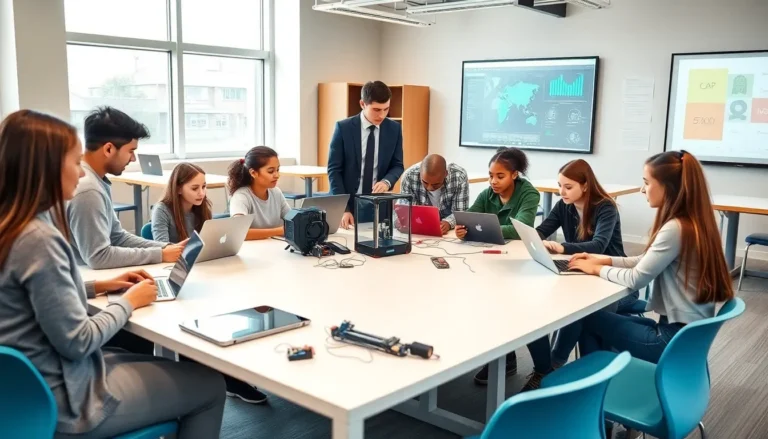
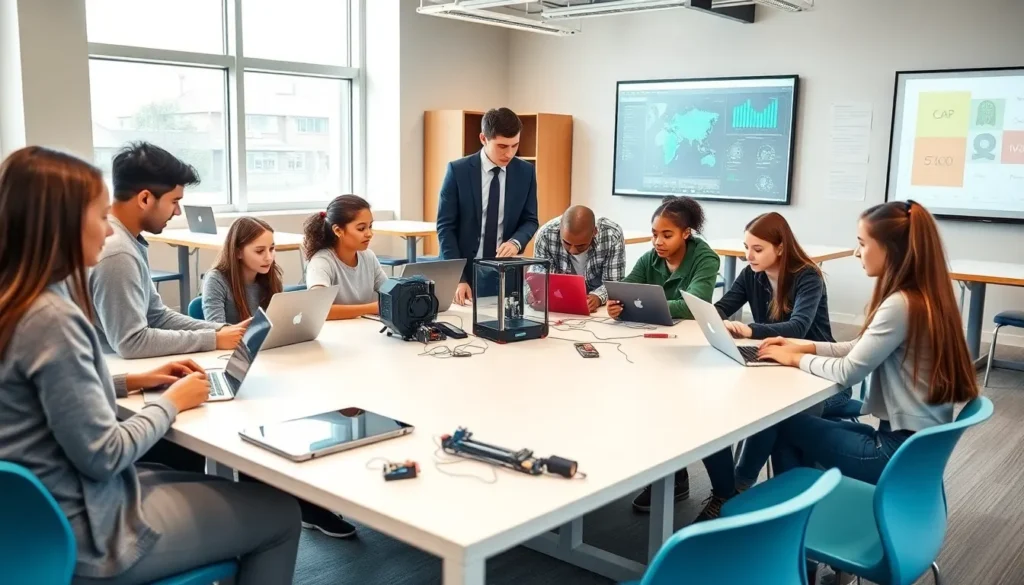
Many schools have built maker spaces equipped with 3D printers, laser cutters, woodworking tools, and electronics components. Students design and build physical objects. They learn engineering principles through trial and error. Failure becomes part of the learning process rather than something to avoid.
Internships and Workplace Learning
High schools increasingly partner with local businesses to offer internship programs. Students spend part of their week in professional settings. They see how classroom learning applies to careers. Education today examples include students working alongside engineers, healthcare professionals, and software developers.
Service Learning
Service learning combines community service with academic instruction. Students might study environmental science while restoring a local wetland. They learn content while developing civic responsibility. Research shows service learning increases engagement and retention.
Outdoor and Nature-Based Education
Forest schools and outdoor classrooms have grown popular, especially at the elementary level. Students learn math by measuring trees. They study ecosystems by observing them directly. Time in nature reduces stress and improves focus.
Social-Emotional Learning and Holistic Development
Education today examples recognize that academic skills alone don’t prepare students for life. Schools now invest in emotional intelligence and mental health support.
SEL Curricula
Social-emotional learning programs teach skills like self-awareness, relationship building, and responsible decision-making. Popular curricula include Second Step and CASEL’s framework. Students practice identifying emotions, resolving conflicts, and setting goals. These skills support academic learning by helping students manage stress and work with others.
Mindfulness and Stress Management
Many schools now incorporate mindfulness practices into daily routines. Students learn breathing exercises and meditation techniques. Some schools start each day with a few minutes of quiet reflection. Research from Johns Hopkins University shows mindfulness programs reduce anxiety and improve attention.
Expanded Counseling Services
Schools have increased mental health staff in response to rising student anxiety and depression rates. Counselors focus on prevention as well as crisis response. They teach coping strategies and help students build resilience.
Character Education
Education today examples often include explicit instruction in values like integrity, respect, and perseverance. Schools create cultures that celebrate these traits. Students receive recognition for kindness and effort, not just academic achievement.
Restorative Practices
Traditional discipline focused on punishment. Restorative practices focus on repairing harm and rebuilding relationships. When conflicts arise, students participate in circles where they discuss impact and make amends. Schools using restorative practices report fewer suspensions and improved school climate.