Table of Contents
ToggleEducation today looks nothing like it did a decade ago. Classrooms have evolved from rows of desks facing a chalkboard to dynamic spaces where students take charge of their own learning. Modern techniques now blend technology, collaboration, and personalization to create more effective educational experiences.
This shift matters. Students learn differently, and traditional one-size-fits-all methods often leave many behind. Today’s educators use a mix of digital tools, flexible formats, and hands-on projects to reach learners where they are. The result? Higher engagement, better retention, and skills that actually transfer to real-world situations.
This article explores the key techniques reshaping education today. From student-centered approaches to adaptive learning platforms, these methods are changing how knowledge moves from teacher to learner, and back again.
Key Takeaways
- Education today has shifted from lecture-based teaching to student-centered learning, improving critical thinking scores by up to 18%.
- Technology-driven tools like AI tutoring systems and learning management platforms amplify teacher effectiveness and provide real-time student feedback.
- Blended and hybrid learning approaches combine online and in-person instruction, boosting test scores by an average of 12% while teaching valuable self-management skills.
- Project-based and collaborative learning develops teamwork, communication, and problem-solving abilities that employers actively seek in graduates.
- Personalized learning paths and adaptive platforms let students progress based on mastery, keeping them challenged without feeling overwhelmed.
- The most effective education today combines smart technology with caring educators who provide context, motivation, and human support.
The Shift Toward Student-Centered Learning
For most of the 20th century, teachers stood at the front of the room and lectured. Students listened, took notes, and memorized facts for tests. This model worked for some, but it left many disengaged.
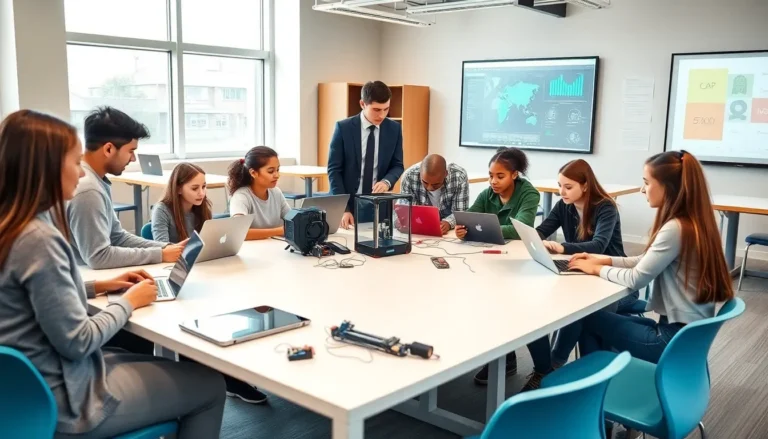
Education today has flipped that script. Student-centered learning puts learners at the heart of the process. Instead of passive absorption, students actively participate in their education. They ask questions, explore topics that interest them, and take ownership of their progress.
This approach draws on research showing that people learn best when they’re engaged. A 2021 study from Stanford found that student-centered classrooms improved critical thinking scores by 18% compared to traditional lecture formats.
What does this look like in practice? Teachers act more like guides than lecturers. They help discussions, pose open-ended questions, and let students pursue lines of inquiry. The goal isn’t just to transfer information, it’s to develop independent thinkers.
Student-centered learning also means acknowledging that different people learn at different paces. Some students grasp concepts quickly and need advanced challenges. Others need more time and support. Modern education techniques accommodate these differences rather than ignoring them.
Technology-Driven Instructional Methods
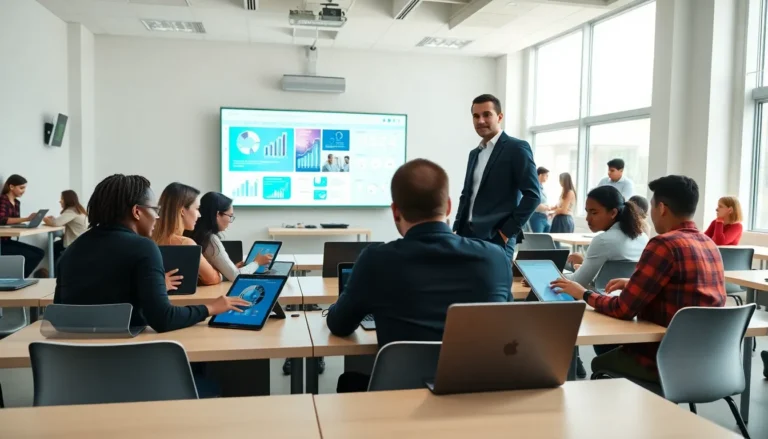
Technology has become central to education today. Digital tools don’t replace teachers, they amplify what good teachers can do.
Interactive whiteboards, educational apps, and video platforms give instructors new ways to explain concepts. A biology teacher can show 3D models of cells. A history teacher can take students on virtual tours of ancient ruins. These tools make abstract ideas concrete and memorable.
Learning management systems (LMS) like Canvas and Google Classroom have changed how courses operate. Students access assignments, submit work, and receive feedback through centralized platforms. Teachers track progress in real time and identify struggling students before they fall too far behind.
Artificial intelligence is also entering classrooms. AI-powered tutoring systems can answer student questions at any hour. They identify knowledge gaps and suggest targeted practice. While AI won’t replace human teachers, it provides a valuable supplement, especially for students who need extra help outside class hours.
The key is intentional use. Technology works best when it serves clear educational goals. A flashy app that doesn’t improve understanding wastes everyone’s time. Effective educators choose tools that solve specific problems and enhance learning outcomes.
Education today requires digital literacy from both teachers and students. This creates new challenges, but the benefits, greater access, instant feedback, richer content, outweigh the learning curve.
Blended and Hybrid Learning Approaches
The pandemic forced schools to experiment with remote learning. Many discovered that combining online and in-person instruction creates powerful results.
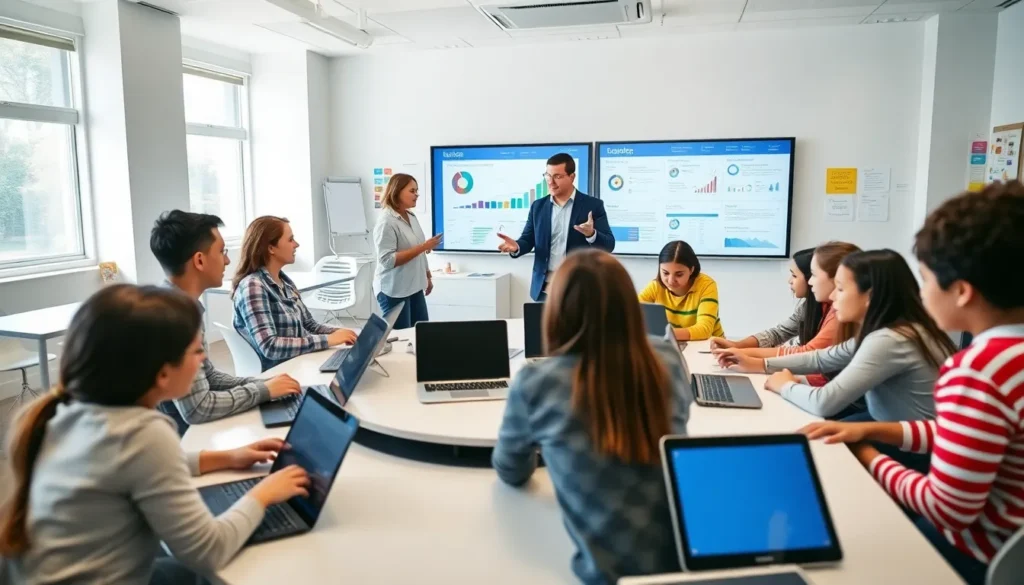
Blended learning mixes face-to-face teaching with digital components. Students might watch video lectures at home, then use class time for discussions and hands-on activities. This “flipped classroom” model lets teachers spend more time on the parts of learning that require human interaction.
Hybrid models go further. Some students attend in person while others join remotely. This flexibility helps learners with scheduling conflicts, health issues, or geographic barriers. Education today reaches students who previously had no access.
Research supports these approaches. A 2023 meta-analysis in the Journal of Educational Psychology found that blended learning improved test scores by an average of 12% compared to purely in-person instruction.
Blended and hybrid formats also teach valuable skills. Students learn to manage their time, work independently, and communicate through digital channels. These abilities transfer directly to modern workplaces.
Of course, challenges exist. Not all students have reliable internet or quiet study spaces at home. Effective blended programs address these equity issues through device lending programs, community learning spaces, and flexible assignment deadlines.
Collaborative and Project-Based Learning
Real-world problems rarely have simple answers. They require teamwork, creativity, and the ability to apply knowledge across disciplines. Education today reflects this reality through collaborative and project-based learning.
Project-based learning (PBL) gives students complex challenges to solve over extended periods. Instead of memorizing facts for a test, they research, plan, build, and present solutions. A middle school science class might design a sustainable garden. A high school economics class could create business plans for local entrepreneurs.
These projects develop skills that traditional assignments miss. Students learn to manage deadlines, divide responsibilities, and resolve conflicts with teammates. They practice communication, presenting ideas, giving feedback, and defending their conclusions.
Collaborative learning extends beyond formal projects. Study groups, peer tutoring, and discussion-based classes all leverage social interaction to deepen understanding. Explaining a concept to someone else strengthens the explainer’s grasp of the material.
Education today recognizes that employers want graduates who can work in teams. A survey by the National Association of Colleges and Employers found that 80% of employers rate teamwork as a critical skill, yet many graduates feel unprepared for collaborative work.
Project-based and collaborative approaches close this gap. They make learning active, social, and relevant to life beyond the classroom.
Personalized Learning Paths and Adaptive Tools
Every student brings different strengths, weaknesses, and interests to the classroom. Education today increasingly uses personalized learning to meet individuals where they are.
Personalized learning lets students progress based on mastery rather than seat time. A student who understands algebra quickly can move to geometry while their peers continue practicing. Someone struggling with reading comprehension gets targeted support without holding back the whole class.
Adaptive learning platforms make this possible at scale. Programs like Khan Academy and DreamBox adjust difficulty in real time based on student performance. They present easier problems when learners struggle and harder ones when they succeed. This keeps students in their optimal challenge zone, engaged but not overwhelmed.
Data drives personalization. Teachers receive detailed reports showing exactly where each student excels or needs help. This information guides instruction and allows for intervention before small gaps become major problems.
Personalized approaches also let students pursue their interests. A history enthusiast might explore primary sources while a peer focuses on documentary analysis. Both learn historical thinking skills, but through paths that match their passions.
Education today benefits from these tools, but human judgment remains essential. Algorithms can identify patterns and suggest resources. Teachers provide context, motivation, and the kind of support that only humans can offer. The best personalized learning combines smart technology with caring educators.