Table of Contents
ToggleEducation today vs the past reveals a dramatic shift in how students learn, teachers instruct, and schools operate. A classroom from 1950 would feel foreign to most modern students. Chalkboards have given way to smartboards. Memorization drills have evolved into project-based learning. And the teacher standing at the front lecturing? That’s just one option among many now.
This transformation didn’t happen overnight. Decades of research, technological advances, and changing social expectations reshaped education from the ground up. Understanding these changes helps parents, educators, and students appreciate both the progress made and the challenges that remain. Let’s examine how learning has evolved across key areas, from teaching methods to student-teacher dynamics.
Key Takeaways
- Education today vs the past shows a fundamental shift from passive memorization to active, student-centered learning.
- Technology has revolutionized classrooms, giving students instant access to resources and enabling personalized, adaptive learning experiences.
- Modern curricula prioritize critical thinking, collaboration, and soft skills alongside traditional academics like reading, writing, and math.
- Student-teacher relationships have evolved from strict hierarchy to collaborative partnerships that support both academic and emotional growth.
- Schools now address social-emotional learning and mental health, recognizing that student well-being directly impacts academic success.
- Comparing education today vs past generations reveals greater attention to individual learning styles, global awareness, and real-world skill development.
Teaching Methods Then and Now
Teaching methods have undergone a complete overhaul over the past century. In traditional classrooms, teachers delivered lectures while students sat in rows, took notes, and memorized facts. Education today vs past approaches shows a clear preference for active learning over passive absorption.
Historically, the “sage on the stage” model dominated. Teachers held all the knowledge. Students received it. Testing focused on recall, could you recite dates, formulas, or definitions? This worked for its time, but it had limits. Students often forgot information shortly after exams. Critical thinking took a backseat to rote memorization.
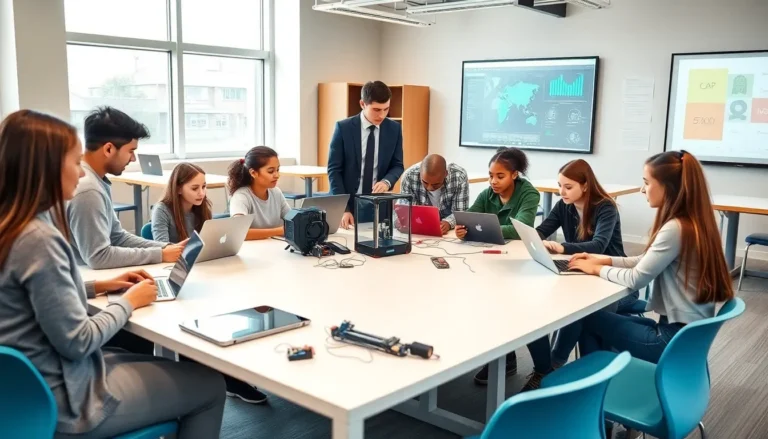
Modern classrooms look different. Teachers now act as facilitators. They guide discussions, pose questions, and let students discover answers through exploration. Group projects, debates, and hands-on experiments have replaced many traditional lectures. This shift reflects research showing that students retain more when they actively engage with material.
Blended learning has also emerged as a popular approach. Students might watch a video lesson at home, then use class time for discussion and practice. This “flipped classroom” model gives teachers more time to address individual struggles. It also respects that students learn at different paces.
Differentiated instruction represents another major change. Rather than teaching one way to all students, educators now adjust their methods based on learning styles and abilities. Some students thrive with visual aids. Others need hands-on activities. Education today vs past decades shows far greater attention to these individual differences.
The Role of Technology in Modern Education
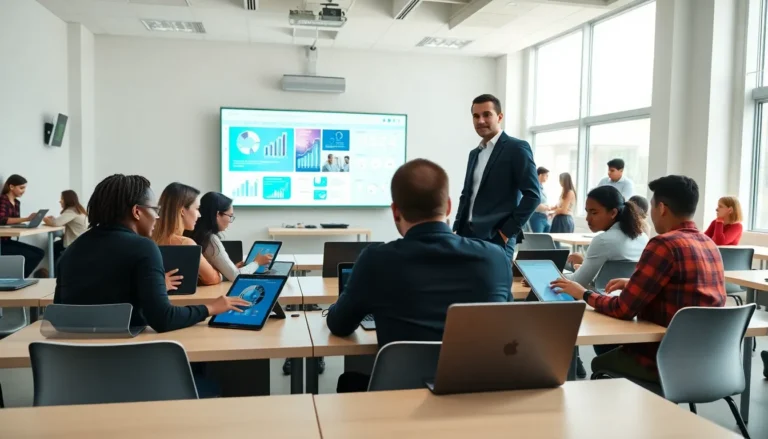
Technology has transformed education more than any other single factor. Comparing education today vs past generations, the contrast is stark. Students once shared a single classroom encyclopedia. Now they carry the internet in their pockets.
Computers entered classrooms gradually in the 1980s and 1990s. Early uses were basic, typing practice and simple educational games. The real revolution came with widespread internet access in the 2000s. Suddenly, students could research any topic instantly. Teachers could show videos, simulations, and virtual tours.
The COVID-19 pandemic accelerated this shift dramatically. Schools worldwide pivoted to online learning almost overnight. Zoom classes, digital assignments, and educational apps became standard. While this transition had growing pains, it proved that remote learning could work at scale.
Today’s educational technology includes:
- Learning management systems that organize coursework
- Adaptive software that adjusts difficulty based on student performance
- Virtual reality tools for immersive lessons
- AI-powered tutoring systems providing personalized feedback
- Collaborative platforms where students work together remotely
These tools offer clear benefits. Students access resources their parents never had. Teachers track progress with precision. Education today vs the past means more data, more options, and more flexibility.
But technology brings challenges too. Screen time concerns are real. Not all families have equal access to devices and reliable internet. And some educators worry that digital tools reduce face-to-face interaction. The key lies in balance, using technology as a tool, not a replacement for human connection.
Changes in Curriculum and Learning Objectives
What students learn has changed as dramatically as how they learn it. Education today vs past curricula reflects shifting priorities about what knowledge matters most.
Older curricula emphasized the “three Rs”, reading, writing, and arithmetic. Students mastered basic skills through repetition. History meant memorizing dates and battles. Science meant learning established facts. The goal was producing informed citizens with practical skills for the workforce.
Modern curricula take a broader view. Critical thinking, creativity, and collaboration now appear alongside traditional academics. Schools teach students how to evaluate sources, solve unfamiliar problems, and work in teams. These “soft skills” matter because information alone isn’t enough, students need to use it effectively.
STEM education (science, technology, engineering, and math) has gained prominence. Many schools now offer coding classes, robotics clubs, and engineering projects. This reflects job market demands. Careers in technology pay well and continue growing. Education today vs the past shows schools responding to economic realities.
Social-emotional learning has also entered curricula. Schools now address topics like emotional regulation, empathy, and conflict resolution. Research supports this, students who manage emotions learn better and have fewer behavioral problems. Past generations rarely saw these topics in formal education.
Global awareness has expanded too. Students learn about world cultures, environmental issues, and international economics earlier than before. Education today vs decades ago prepares students for a more connected world. They’ll work with people from different backgrounds and face global challenges like climate change.
Student-Teacher Relationships Across Generations
The dynamic between students and teachers has evolved significantly. Education today vs past eras shows a shift from strict hierarchy toward collaboration and mutual respect.
In earlier decades, teachers held absolute authority. Students stood when adults entered the room. Questioning a teacher’s statement was unthinkable. Discipline could be harsh, corporal punishment was common in many schools through the mid-20th century. The relationship was formal and distant.
Modern classrooms feel different. Teachers still maintain authority, but they’re more approachable. Many educators share personal stories, use humor, and show genuine interest in students’ lives. This warmth isn’t weakness, research shows positive relationships improve academic outcomes.
Students today are encouraged to ask questions and challenge ideas respectfully. Critical thinking requires this freedom. A student who questions a theory isn’t being disrespectful, they’re engaging deeply with material. Education today vs the past treats curiosity as a strength rather than defiance.
Communication has expanded beyond the classroom. Email, messaging apps, and online platforms let students reach teachers outside school hours. Parents receive updates through digital portals. This accessibility would have seemed strange fifty years ago.
Mental health awareness has changed relationships too. Teachers now receive training to spot signs of anxiety, depression, and trauma. They’re expected to support the whole child, not just deliver content. Education today vs past approaches recognizes that emotional well-being affects learning.
But, some worry these changes went too far. Critics argue that reduced formality undermines respect for teachers. Others believe schools focus too much on feelings at the expense of academic rigor. The debate continues, but the overall trend toward warmer student-teacher relationships seems settled.