Table of Contents
ToggleTop education today looks different than it did even five years ago. Classrooms have expanded beyond four walls. Technology has become a core teaching tool, not just an add-on. Students now expect learning experiences that fit their pace, goals, and career aspirations.
These shifts aren’t random. They reflect deeper changes in how society views learning itself. Employers want skills, not just degrees. Parents want flexibility. Students want relevance. The result? Education systems worldwide are adapting faster than ever before.
This article explores the key trends defining top education today. From digital learning models to social-emotional development, these changes are reshaping what it means to be educated in 2025 and beyond.
Key Takeaways
- Top education today embraces hybrid learning models that combine in-person and online instruction for flexible, student-centered experiences.
- Personalized learning powered by AI and adaptive platforms allows students to progress at their own pace and address individual knowledge gaps.
- Skills-based education and career-ready programs are replacing degree-only pathways, with employers prioritizing demonstrated competencies over credentials.
- Social-emotional learning (SEL) has become essential in top education today, teaching students resilience, empathy, and emotional intelligence alongside academics.
- Micro-credentials and stackable certificates offer working adults quick upskilling opportunities without committing to full degree programs.
- Schools must balance technology benefits with challenges like screen fatigue, data privacy concerns, and unequal internet access.
The Rise of Digital and Hybrid Learning Models
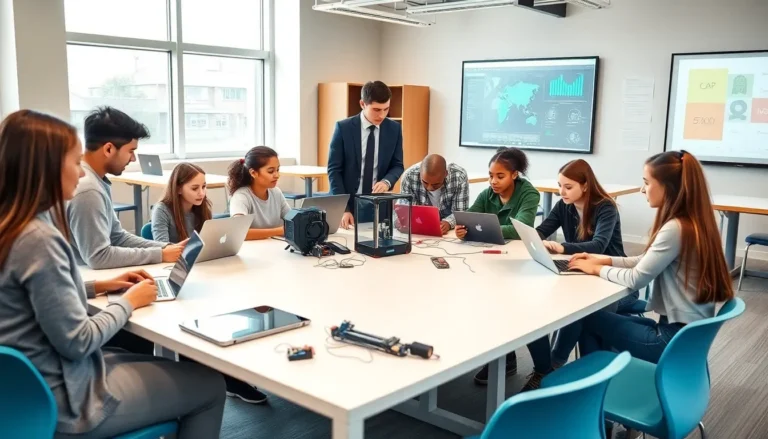
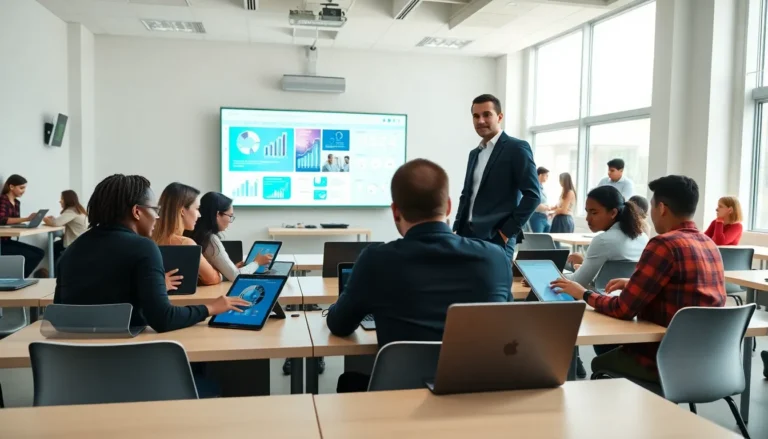
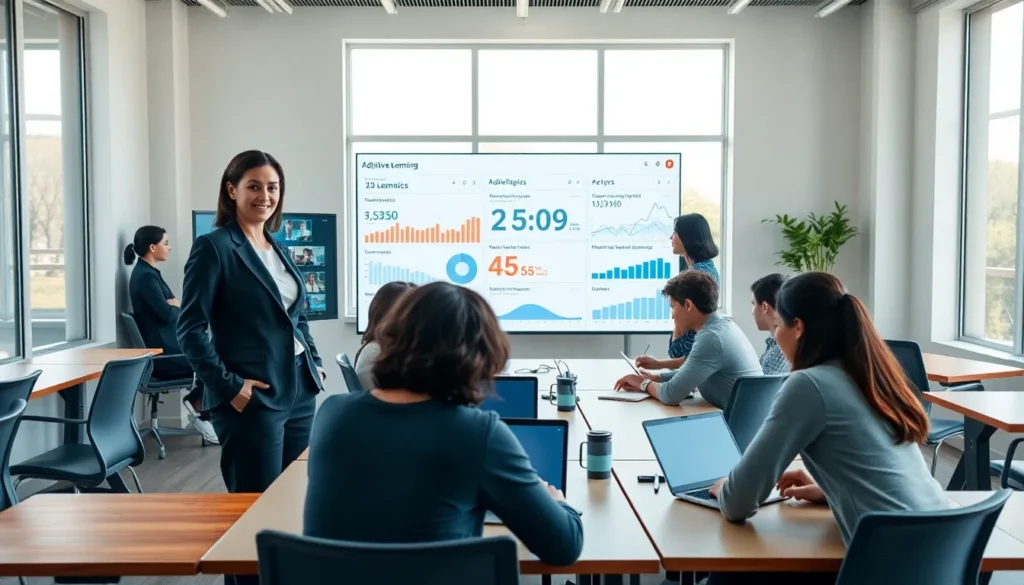
Digital learning has moved from emergency backup to standard practice. The pandemic forced schools and universities to adopt online tools. Many discovered these tools actually worked. Now, hybrid learning models, combining in-person and online instruction, have become a permanent fixture in top education today.
Hybrid models offer clear advantages. Students can access recorded lectures anytime. They can review difficult concepts at their own pace. Teachers can use class time for discussion, problem-solving, and hands-on activities. This approach, sometimes called “flipped learning,” puts students in the driver’s seat.
The numbers tell the story. According to recent surveys, over 70% of higher education institutions now offer hybrid course options. K-12 schools have followed suit, with many districts maintaining virtual learning days or digital assignments platforms.
But digital learning isn’t perfect. Screen fatigue is real. Some students struggle without face-to-face interaction. Internet access remains uneven across communities. Top education today must address these gaps. Schools are investing in better technology, training teachers in online engagement techniques, and creating support systems for students who need extra help.
The best hybrid programs don’t just replicate classroom teaching online. They rethink what learning can look like when physical location becomes optional.
Personalized Learning Through Technology
One-size-fits-all education is fading. Personalized learning has become a defining feature of top education today. Technology makes this possible at scale.
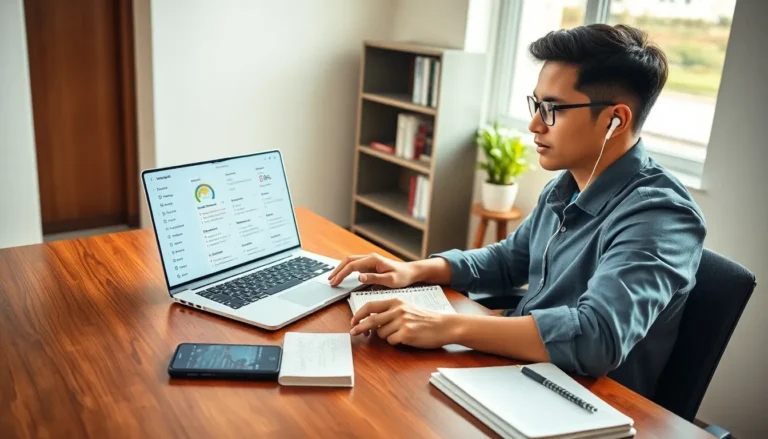
Adaptive learning platforms analyze student performance in real time. They identify knowledge gaps and adjust content accordingly. A student struggling with fractions gets extra practice problems. A student who masters the concept quickly moves ahead. Each learner follows a unique path.
Artificial intelligence plays a growing role here. AI tutors can answer questions 24/7. They provide instant feedback on assignments. Some platforms even predict which students might fall behind before it happens, allowing teachers to intervene early.
Personalized learning extends beyond software. Many schools now use competency-based progression, where students advance when they demonstrate mastery, not when the calendar says so. This approach respects different learning speeds and styles.
Teachers benefit too. When technology handles routine assessment and practice, educators have more time for mentoring, creative instruction, and building relationships with students.
Of course, personalized learning raises questions. Data privacy concerns are legitimate. Over-reliance on screens worries parents and health experts. And no algorithm can replace a caring teacher who notices when a student seems withdrawn or confused.
Top education today uses personalization as a tool, not a replacement for human connection.
Focus on Skills-Based and Career-Ready Education
Degrees still matter. But employers increasingly ask: “What can you actually do?”
This question has pushed top education today toward skills-based learning. Schools and universities are adding practical competencies to their curricula. Critical thinking, communication, collaboration, and technical skills now share space with traditional academic subjects.
Career and technical education (CTE) programs have seen major growth. These programs prepare students for specific industries, healthcare, technology, manufacturing, skilled trades. They often include internships, apprenticeships, or industry certifications. Graduates enter the workforce with real experience, not just theory.
Higher education is adapting as well. Many colleges now offer micro-credentials and stackable certificates. Students can earn targeted qualifications in specific skills, data analysis, project management, digital marketing, without committing to full degree programs. These credentials appeal to working adults who need to upskill quickly.
Employers are paying attention. Companies like Google, IBM, and Apple have dropped degree requirements for many positions. They care about demonstrated skills and portfolio evidence. This shift creates new pathways for students who might not follow traditional academic routes.
Top education today prepares students for careers that may not exist yet. That means teaching adaptability and continuous learning alongside specific job skills. The goal isn’t just first-job readiness. It’s lifelong employability.
The Growing Importance of Social-Emotional Learning
Academic achievement isn’t everything. Schools are recognizing that emotional intelligence, resilience, and interpersonal skills matter just as much for student success.
Social-emotional learning (SEL) has become a priority in top education today. SEL programs teach students to manage emotions, set goals, show empathy, maintain relationships, and make responsible decisions. These aren’t soft skills, they’re essential life skills.
Research backs this up. Students who receive quality SEL instruction show improved academic performance, better behavior, and reduced anxiety and depression. They’re more likely to graduate and less likely to need disciplinary intervention.
The pandemic highlighted why SEL matters. Students returned to classrooms with increased mental health challenges. Many had missed critical social development during isolation. Schools responded by integrating SEL into daily routines, not just tacking it on as an afterthought.
Practical SEL looks different depending on age. Elementary schools might use morning check-ins where students share how they’re feeling. Middle schools might teach conflict resolution strategies. High schools might offer peer mentoring programs or stress management workshops.
Teacher training has expanded to include SEL competencies. Educators learn to create supportive classroom environments, recognize signs of student distress, and model healthy emotional regulation themselves.
Top education today understands that preparing students for life means more than academics. Emotional intelligence opens doors that grades alone cannot.