Table of Contents
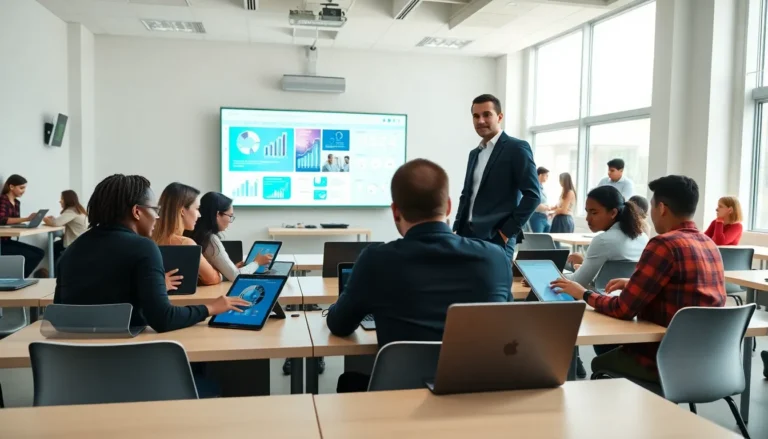
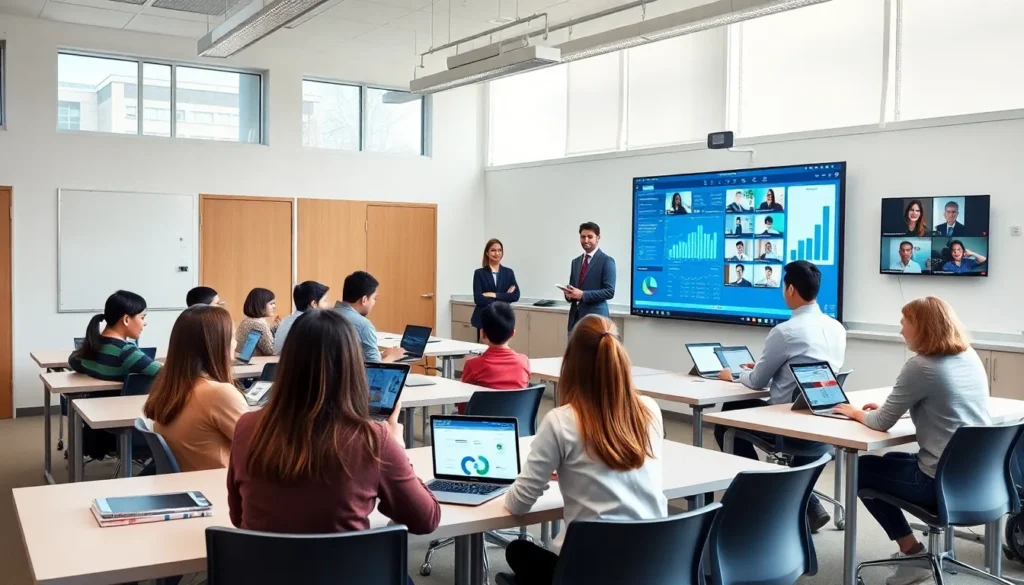
ToggleWhat is education today? The answer looks different than it did even a decade ago. Classrooms now blend physical spaces with digital platforms. Students access lectures on their phones. Teachers use data to track progress in real time. Education today is a mix of tradition and innovation, shaped by technology, global events, and shifting workforce demands. This article explores how learning has changed, what defines modern education, and the challenges schools face in 2025.
Key Takeaways
- Education today blends traditional classroom methods with digital tools, creating flexible, hybrid learning environments.
- Modern education prioritizes critical thinking, collaboration, and practical skills over rote memorization to meet workforce demands.
- Technology like AI tutors, learning management systems, and video conferencing has become integral to how students learn and teachers instruct.
- Personalized learning paths now allow students to progress at their own pace while receiving targeted support.
- Serious challenges persist, including achievement gaps, teacher shortages, mental health crises, and the digital divide.
- Lifelong learning through micro-credentials and online courses has become essential as careers continuously evolve.
How Education Has Evolved in Recent Years
Education has undergone significant changes over the past two decades. The traditional model, a teacher lecturing at the front of a classroom, still exists, but it now shares space with new approaches.
The COVID-19 pandemic accelerated many shifts. Schools worldwide adopted remote learning almost overnight in 2020. This forced educators and students to adapt quickly. Many discovered that online tools could supplement or even replace in-person instruction for certain subjects.
Before the pandemic, education was already moving toward more student-centered methods. Project-based learning gained popularity. Schools began emphasizing critical thinking over rote memorization. The goal shifted from simply passing tests to preparing students for real-world problem-solving.
Higher education has also transformed. Online degree programs now attract millions of students globally. Universities partner with tech companies to offer certifications in specific skills. The line between formal education and professional training has blurred.
What is education today compared to 20 years ago? It’s more flexible, more accessible, and more focused on practical outcomes. Students can learn at their own pace. Adults can return to school while working full-time. Geographic barriers matter less than they once did.
Key Features of Modern Education
Modern education shares several defining characteristics that distinguish it from older models.
Personalized Learning
Schools increasingly recognize that students learn differently. Adaptive software adjusts difficulty based on individual performance. Teachers use assessment data to identify struggling students early. Personalized learning paths let advanced students move ahead while others get extra support.
Emphasis on Skills Over Content
Employers want workers who can think critically, communicate clearly, and collaborate effectively. Education today reflects this demand. Many schools now teach skills like data literacy, digital citizenship, and emotional intelligence alongside traditional subjects.
Hybrid and Flexible Formats
The rigid school day is loosening. Some districts offer hybrid schedules with online and in-person days. Colleges provide asynchronous courses that students complete on their own time. Flexibility helps accommodate diverse student needs.
Global Perspectives
Students today connect with peers worldwide through video calls and collaborative projects. Curricula increasingly include global issues like climate change, public health, and international economics. Education prepares students for a connected world.
Lifelong Learning Focus
Education no longer ends at graduation. Continuous learning has become essential as careers evolve. Micro-credentials, bootcamps, and online courses let professionals update their skills throughout their careers.
Technology’s Role in Today’s Classrooms
Technology shapes nearly every aspect of education today. Its influence extends from elementary schools to graduate programs.
Learning management systems (LMS) organize coursework, assignments, and grades in one place. Platforms like Canvas and Google Classroom have become standard tools. Students submit work digitally. Teachers provide feedback without stacks of paper.
Artificial intelligence is entering classrooms rapidly. AI tutors offer instant help with math problems or writing. Some schools use AI to identify at-risk students based on attendance and grade patterns. Educators debate the proper boundaries for these tools, but their presence continues to grow.
Video conferencing made remote learning possible during the pandemic. It remains useful for guest speakers, virtual field trips, and connecting students across distances. A class in Texas can collaborate with students in Japan on a shared project.
Educational apps and games make learning interactive. Younger students practice reading and math through engaging software. Simulations let science students conduct virtual experiments. Gamification increases motivation for many learners.
But, technology also raises concerns. Screen time affects attention spans. Not all families have reliable internet access. Some worry that digital tools reduce human connection in education. Schools must balance innovation with these legitimate concerns.
What is education today without technology? It’s hard to imagine. Digital tools have become integral to how students learn and teachers teach.
Challenges Facing Education Today
Even though progress, education today faces serious obstacles.
Achievement Gaps
Students from low-income families often perform below their wealthier peers. The pandemic widened these gaps. Many students lost months of learning during school closures. Recovery efforts continue, but progress is uneven.
Teacher Shortages
Schools across the country struggle to fill teaching positions. Low pay, heavy workloads, and burnout drive educators out of the profession. Some districts have increased class sizes or hired less qualified staff to cope.
Mental Health Crisis
Student anxiety and depression rates have risen sharply. Schools now serve as frontline mental health providers for many young people. Counselors are overwhelmed. Finding the right balance between academic demands and student well-being remains difficult.
Funding Inequities
School funding often depends on local property taxes. This creates stark differences between wealthy and poor districts. Students in underfunded schools may lack updated textbooks, technology, and qualified teachers.
Keeping Pace with Change
The job market evolves faster than curricula. Skills that employers need today may differ from what students learn. Schools struggle to update programs quickly enough. Partnerships with businesses help, but gaps persist.
Digital Divide
Not every student has equal access to technology. Rural areas often lack high-speed internet. Low-income families may share devices among multiple children. Education today requires addressing these access issues to ensure fairness.